
Heads up: This post may have affiliate links. As an Amazon Associate, I earn from qualifying purchases.
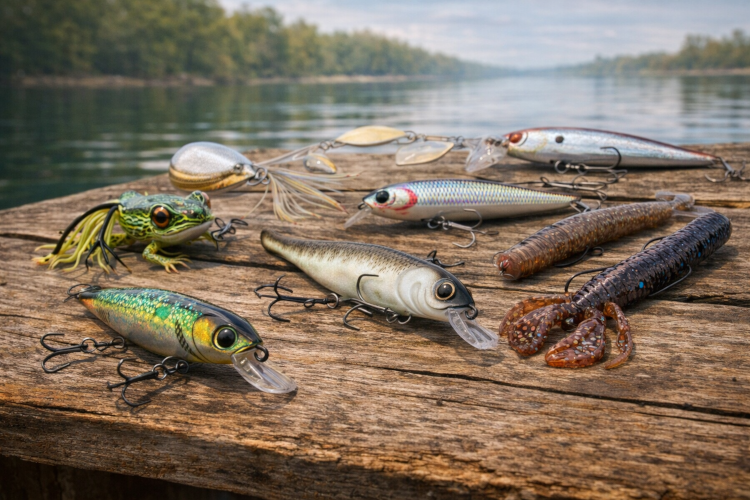
The Complete Guide to Fishing Lures: What Actually Works and Why
Fishing lures are one of the most misunderstood pieces of tackle in an angler’s arsenal. Walk into any tackle shop and you’ll see walls covered in hundreds of lures of different colors, shapes, materials, and promises. Many anglers assume more options mean better results, but experienced fishermen know that understanding why a lure works matters far more than owning dozens of them.
This guide cuts through the noise. Instead of hype or brand obsession, we’ll focus on how fish react, when specific lures are effective, and how to choose the right lure for the conditions you’re fishing. Whether you’re chasing bass, panfish, or inshore predators, this article will help you fish smarter, not just harder.
Why Lures Work at All: The Basics of Fish Behavior
Before diving into lure types, it’s important to understand what actually triggers a strike.
Fish generally respond to three stimuli:
-
Movement (speed, vibration, erratic action)
-
Profile (size and silhouette)
-
Opportunity (easy meal vs effort)
Contrary to popular belief, most fish are not “choosing” a lure because it looks exactly like prey. They are reacting to motion, vibration, and timing. The best lure is the one that matches the fish’s mood and environment at that moment.
Hard Baits vs Soft Baits: The Core Divide
Nearly all artificial lures fall into one of two broad categories.
Hard Baits
Hard baits are rigid lures made of plastic, wood, or composite materials. They typically include treble hooks and are designed to create movement or noise.
Common hard baits include:
-
Crankbaits
-
Jerkbaits
-
Topwater plugs
-
Lipless baits
Best uses:
-
Covering water quickly
-
Triggering reaction strikes
-
Active fish
Soft Baits
Soft plastics are flexible and often more subtle. They rely heavily on presentation and rigging.
Common soft baits include:
-
Worms
-
Creature baits
-
Swimbaits
-
Craws
Best uses:
-
Finesse fishing
-
Pressured water
-
Slower presentations
Soft plastics from brands like Piscifun and KastKing have become increasingly popular due to their durability and realistic action.
Crankbaits: The Search Tools of Fishing
Crankbaits are designed to dive to specific depths and deflect off structure. They excel at locating fish quickly.
When Crankbaits Work Best
-
Actively feeding fish
-
Warmer water temperatures
-
Covering large areas
Key Variables
-
Diving depth
-
Bill shape
-
Rattle vs silent
Shallow crankbaits excel around cover, while deeper models are effective along drop-offs and ledges.
Jerkbaits: Precision and Patience
Jerkbaits shine when fish are suspended or hesitant. Their stop-and-go action mimics injured baitfish.
Effective conditions:
-
Cold water
-
Clear water
-
Finicky fish
Suspending jerkbaits are especially effective when fish are unwilling to chase faster lures.
Topwater Lures: Timing Is Everything
Few experiences match a topwater strike. These lures work best when fish are feeding upward.
Types of Topwater Lures
-
Poppers
-
Walk-the-dog baits
-
Frogs
Best times:
-
Early morning
-
Late evening
-
Overcast conditions
While exciting, topwater lures are situational and should be part of a balanced approach, but not the only tool.
Soft Plastic Worms: The Most Reliable Lure Ever Made
If anglers were limited to one lure category, soft plastic worms would be the logical choice.
Why they work:
-
Natural movement
-
Versatile rigging
-
Effective year-round
Texas rigs, wacky rigs, and Carolina rigs allow worms to adapt to nearly any condition.
KastKing offers a wide selection of soft plastics and terminal tackle suitable for multiple rigging styles.
Swimbaits: Matching the Hatch
Swimbaits imitate baitfish and shine when fish are keyed in on specific prey.
Soft Swimbaits
-
Subtle
-
Great for pressured fish
Hard Swimbaits
-
Larger profile
-
Trophy-focused fishing
Swimbaits perform best when retrieved steadily and naturally.
Creature Baits and Craws: When Fish Want Protein
Creature baits imitate crawfish and bottom-dwelling prey. They are especially effective around structure.
Best scenarios:
-
Heavy cover
-
Rocky bottoms
-
Spawning seasons
These baits often trigger strikes from fish looking for an easy, high-protein meal.
Color Selection: Why Anglers Overthink It
Color matters, but not as much as many anglers believe.
General Guidelines
-
Clear water: Natural colors
-
Stained water: Dark or contrast colors
-
Muddy water: Bright or solid colors
Movement and presentation usually outweigh color choice.
Seasonal Lure Selection Simplified
Spring
-
Jerkbaits
-
Spinnerbaits
-
Soft plastics
Summer
-
Topwater early/late
-
Deep crankbaits
-
Worms
Fall
-
Swimbaits
-
Lipless crankbaits
-
Fast-moving lures
Winter
-
Jerkbaits
-
Finesse plastics
-
Slow presentations
Matching Lures to Gear
Your rod, reel, and line must match your lure choice.
-
Light lures require spinning gear
-
Heavy baits perform better on baitcasters
-
Braided line improves sensitivity for soft plastics
Using the wrong setup reduces effectiveness and increases frustration.
Common Lure Mistakes That Cost Fish
-
Changing lures too often
-
Fishing too fast
-
Ignoring depth
-
Overvaluing color
-
Not adjusting to conditions
Consistency and observation catch more fish than constant switching.
Building a Practical Lure Arsenal
You don’t need hundreds of lures. A solid starter arsenal includes:
-
One crankbait (shallow & mid-depth)
-
One topwater
-
One jerkbait
-
Soft plastic worms
-
A swimbait option
This setup covers most freshwater scenarios effectively.
Confidence Catches Fish
The most important factor in lure selection isn’t brand or color, it’s confidence. When you understand why a lure works, you fish it better. When you fish it better, you catch more fish.
Reliable lure manufacturers like Piscifun and KastKing make it easier to build a versatile tackle collection without overspending or chasing trends.
Fishing success comes from knowledge, patience, and time on the water not from owning the most gear.

